
Based on historical records, recipes for salt pork in 19th-century Texas were not formally documented for enslaved people, whose meals depended on provisions and scraps from the plantation owner. Salt pork was a key component of their diet, providing fat, protein, and flavor when paired with cornmeal and foraged or cultivated vegetables.
The preparation methods emphasized reducing salt, using scraps creatively, and maximizing flavor and nutrition from limited resources.
Preparing salt pork on Texas plantations
- Desalinating the meat: Because salt pork could be preserved for months, it had to be soaked to remove the excess salt before cooking.
- Overnight soak: The most effective method was to soak the pork overnight in a container of water, a process that might be repeated several times.
- Boiling or parboiling: For a quicker option, cooks would parboil the salt pork for 10–20 minutes to draw out some of the salt, then discard the water.
- Cooking methods:
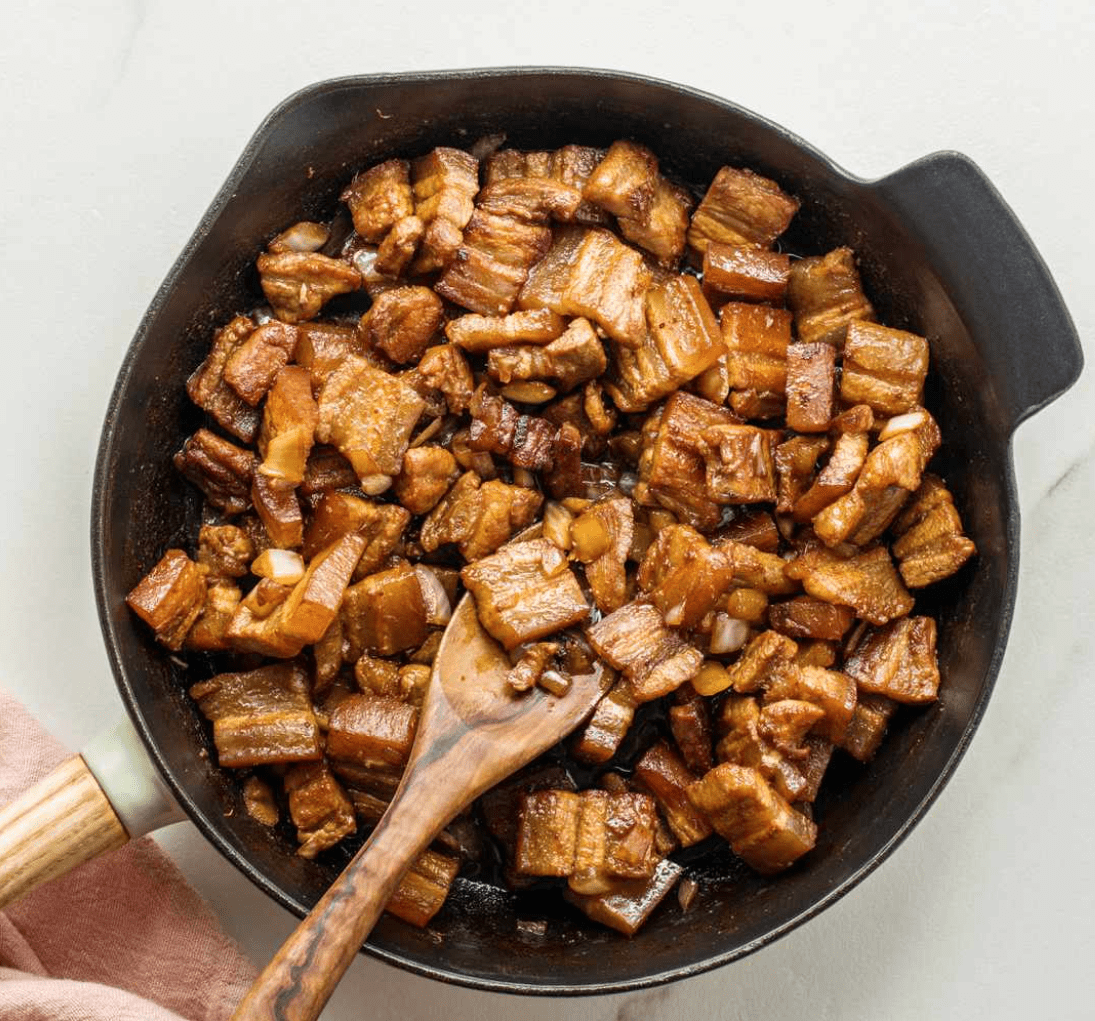
- Frying: The most common method was frying. The salt pork was sliced, fried in a hot pan to render the fat, and then the meat was cooked until brown and crispy.
- Stewing or boiling: Salt pork was often boiled or stewed with other ingredients, like vegetables or dried peas, in a one-pot meal to tenderize the meat and create a savory broth.
Salt pork as an ingredient in enslaved people’s cuisine Enslaved Texans used their creativity and resourcefulness to make the best of meager rations. Their recipes featured salt pork as a flavoring agent rather than the main protein.
- Seasoning greens: A piece of salt pork or fatback was boiled with foraged or cultivated greens (such as collards, kale, and turnip tops) to add a rich, fatty flavor. The cooking liquid, known as “potlikker,” was rich in vitamins and often sopped up with cornbread.
- Flavoring vegetables: Salt pork fat was used to cook other vegetables, including field peas and beans. The rendered fat (lard or bacon grease) was a vital, multi-purpose cooking oil.
- Adding to beans and rice: Similar to the Southern classic “Hoppin’ John,” salt pork was used in simple, one-pot combinations of beans and rice.
The creativity and resilience of African American cooking:
The dishes created by enslaved people from humble rations and scraps, combined with African food traditions, formed the foundation of soul food and much of Southern cuisine. Ingredients like black-eyed peas, okra, greens, and rice were combined with European preservation and cooking techniques, giving rise to many modern dishes. The resourcefulness and innovation in these kitchens, particularly in the use of salt pork, highlight the culinary skill and resilience of the African American community.